

Why Fat Is Not Making You Fat: Rethinking Macros and Metabolic Health

For decades, dietary fat was blamed for weight gain, high cholesterol, and chronic disease. Low-fat yogurts, fat-free snacks, and “lite” everything dominated the 80s and 90s. But modern research tells a very different story: fat is not the enemy—and when eaten in balance, it actually supports metabolic health, hormone function, and stable energy.
As nutrition science has evolved—with more focus on blood sugar stability, satiety, and body composition—it’s time to break up with fat phobia. Fat isn’t making you fat. Ultra-processed food and poor macro balance are.
Let’s look at what the science really says.
The Macronutrient Trio: Why All Three Matter
Your body relies on three macronutrients, each with a distinct role:
-
Protein → builds muscle, supports metabolism, increases satiety
-
Fat → essential for hormones, brain health, and vitamin absorption (A, D, E, K)
-
Carbohydrates → primary fuel source for the brain and high-intensity activity
Removing or demonizing any one of these can disrupt energy, mood, digestion, and metabolic health. The real goal isn’t cutting fat or carbs—it’s choosing quality, balance, and context.
Fat Does Not Make You Fat: What the Research Shows
1. Eating Fat ≠ Storing Fat
Total dietary fat intake is not a strong predictor of weight gain. Studies comparing low-fat diets to higher-fat approaches (like Mediterranean or low-carb diets) consistently show equal or better weight loss and metabolic outcomes when fat is included alongside protein and fiber【1–3】.
2. Fat Increases Satiety
Fat slows gastric emptying, meaning it helps you feel full longer【4】. When combined with protein and fiber—like in nuts, seeds, or balanced snack bars—it can reduce cravings and mindless snacking without calorie counting.
3. Fat Helps Stabilize Blood Sugar
Adding fat to carbohydrates slows glucose absorption and reduces blood sugar spikes, helping prevent crashes, mood swings, and insulin resistance【5】.This is why pairing carbs with fat and protein is a cornerstone of functional nutrition.
Healthy Fats vs. Inflammatory Fats
Not all fats are equal.
Supportive fats include:
-
Nuts and seeds
-
Olive oil
-
Avocados
-
Fatty fish
Problematic fats include industrial seed oils like canola, soybean, corn, and sunflower oil. These oils are high in linoleic acid, an omega-6 fat linked to inflammation and metabolic dysfunction when consumed in excess【6】.
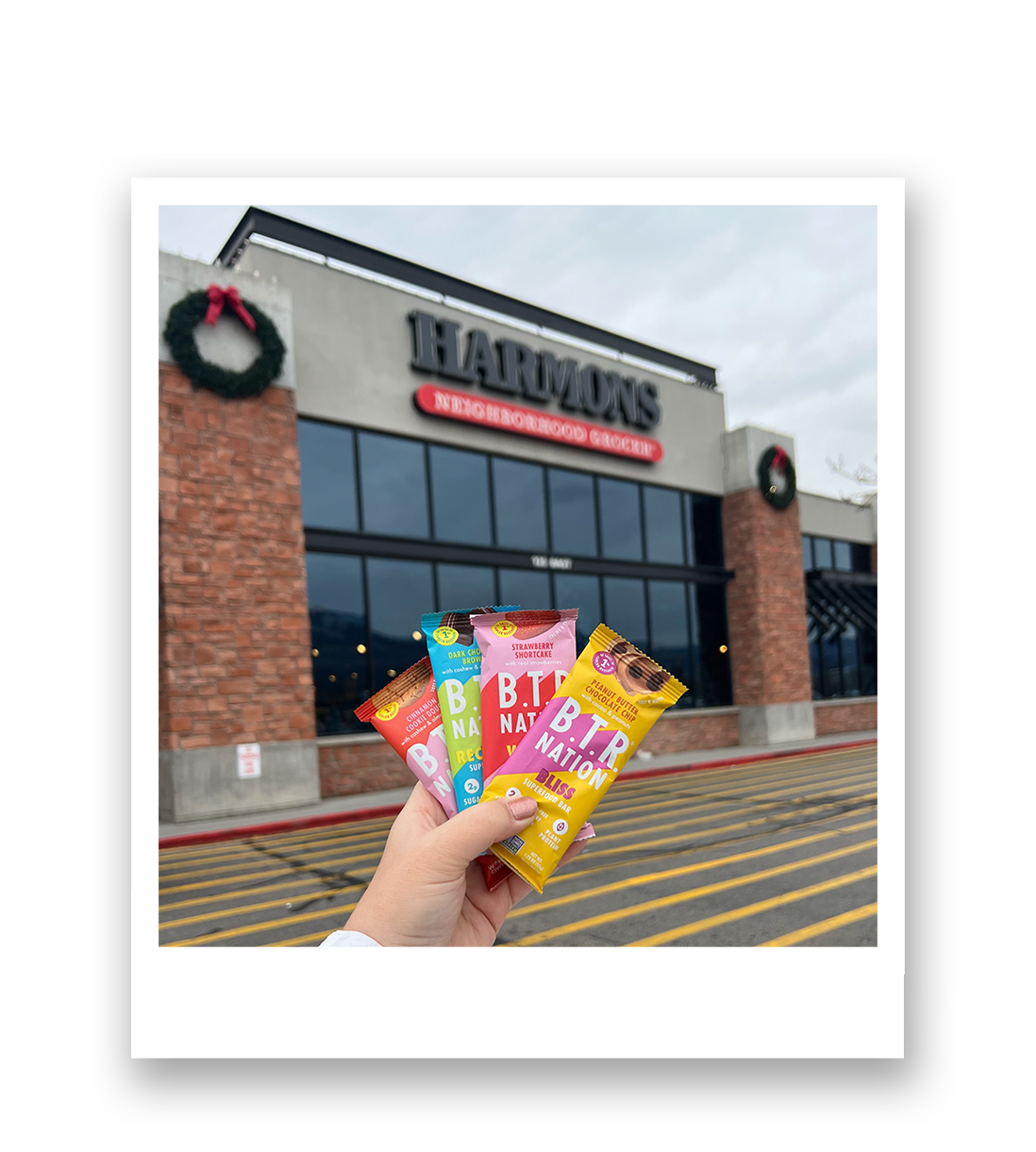
This is why B.T.R. Nation bars are made without seed oils, relying instead on whole-food fats that support stable energy and metabolic health.
Protein & Fiber: Fat’s Essential Co-Stars
Protein: The Metabolic Workhorse
Protein preserves lean muscle, supports immune health, and has a high thermic effect, meaning your body burns more calories digesting it【7】. Adequate protein is essential during weight loss and aging.
Fiber: The Glucose Buffer
Fiber slows digestion, feeds beneficial gut bacteria, and improves blood sugar control【8,9】. High-fiber diets are linked to better satiety, hormone balance, and long-term health.
Great fiber sources include:
Oats, lentils, black beans, chia seeds, flaxseeds, broccoli, raspberries, artichokes, pears, barley, nuts like almonds, cashews and peanuts.
How to Snack Smarter
Most snacks are high in sugar, refined flour, and inflammatory fats—with little protein or fiber. Macro-balanced snacks flip that script.
What to look for:
-
10–20g protein per snack
-
5g+ fiber
-
Healthy fats from whole foods
-
No refined sugar or seed oils
B.T.R. Nation bars are designed with this balance in mind—supporting blood sugar stability, satiety, and gut health.
A Simple Macro Formula That Works
For meals and snacks that support metabolism:
-
Protein: ~30g per meal, 8–20g per snack
-
Fiber: 25–35g daily from diverse sources
-
Fat: Include a healthy fat each time you eat
-
Carbs: Choose whole, fiber-rich carbs
This approach helps:
-
Stabilize blood sugar
-
Support hormones
-
Improve body composition
-
Reduce cravings
-
Increase long-term satiety
Final Thoughts: It’s Time to Ditch Fat Phobia
Eating fat doesn’t make you fat. Eating ultra-processed food without balance does. When fat is paired with high-quality protein, fiber-rich carbohydrates, and real ingredients, it becomes a cornerstone of metabolic health—not a liability.
At B.T.R. Nation, we believe in celebrating all three macros—without compromise.
Fat isn’t your foe. It’s fuel.
References
-
Bray GA, Popkin BM. Dietary fat intake does affect obesity! Am J Clin Nutr. 1998;68(6):1157–1173.
-
Shai I, Schwarzfuchs D, Henkin Y, et al. Weight loss with a low-carbohydrate, Mediterranean, or low-fat diet. N Engl J Med. 2008;359(3):229–241.
-
Tobias DK, Chen M, Manson JE, et al. Effect of low-fat diet interventions versus other diet interventions on long-term weight change in adults. Lancet Diabetes Endocrinol. 2015;3(12):968–979.
-
Little TJ, Feinle-Bisset C. Effects of dietary fat on appetite and energy intake in health and obesity—oral and gastrointestinal sensory contributions. Physiol Behav. 2010;104(4):613–620.
-
Bell KJ, Gray R, Munns D, et al. Incorporating fat and protein into the carbohydrate counting equation in Type 1 diabetes. Curr Diab Rep. 2016;16(7):64.
-
Ramsden CE, Zamora D, Leelarthaepin B, et al. Use of dietary linoleic acid for secondary prevention of coronary heart disease and death. BMJ. 2013;346:e8707.
-
Paddon-Jones D, Westman E, Mattes RD, et al. Protein, weight management, and satiety. Am J Clin Nutr. 2008;87(5):1558S–1561S.
-
Slavin JL. Dietary fiber and body weight. Nutrition. 2005;21(3):411–418.
-
Ludwig DS. The glycemic index: physiological mechanisms relating to obesity, diabetes, and cardiovascular disease. JAMA. 2002;287(18):2414–2423.
-
Mozaffarian D, Rosenberg I, Uauy R. History of modern nutrition science—implications for current research, dietary guidelines, and food policy. BMJ. 2018;361:k2392.










Leave a comment